How to Choose the Right Contractor for Your Home Renovation

So you've finally decided it's time — the kitchen needs an overhaul, the bathrooms are dated, or the floors have seen better days. You've got a vision. Now comes the part that makes or breaks the whole project: finding the right contractor.
The wrong choice can cost you far more than money. It can cost you months of your life, the peace of your home, and sometimes the project itself. The right contractor, on the other hand, turns a stressful process into an exciting one.
Here's what to look for — and what to watch out for.

Start With Reputation, Not Price
When homeowners begin their search, the instinct is often to collect quotes and pick the lowest number. That's understandable. Renovation is expensive. But price without context is meaningless, and sometimes dangerous.
Before you ever talk numbers, research the company's reputation. Start with the Better Business Bureau (BBB). An A or A+ rating means the company has a documented track record of resolving issues, communicating professionally, and standing behind their work. It's not a guarantee — but it's one of the strongest signals available.
Look beyond the rating too. Read the complaints, if there are any. How did the company respond? A business that handles problems transparently is one you can trust.
Google reviews, Houzz profiles, and Yelp listings matter too. Don't just count the stars — read what people say about communication, timelines, and how the company handled things when something went wrong.

Verify Licensing and Insurance
This is non-negotiable. Any contractor working on your home in North Carolina must be properly licensed. Before signing anything, ask to see:
General contractor license
Proof of general liability insurance
Proof of workers' compensation coverage
If a contractor can't or won't provide these documents, stop the conversation there. Without proper insurance, any injury that happens on your property — or any damage caused by the work — could become your financial problem.
Legitimate companies have no hesitation sharing this information. In fact, the good ones often display it prominently.
Look for Specialization
A renovation contractor is not the same as a handyman. Home remodeling — especially kitchens, bathrooms, and major structural work — requires real expertise. Look for a company that specializes in the type of renovation you're planning.
Ask how long they've been doing this specific type of work. Ask how many projects like yours they complete each year. A company with hundreds of completed renovations has seen the problems, solved them, and refined their process. A generalist who dabbles in everything may not have the depth of experience your project deserves.
Also ask whether they use their own crews or subcontractors for every phase of the job. There's nothing inherently wrong with subcontractors, but you want to know who is in your home and how accountable the company is for their work.
Ask to See Their Past Work
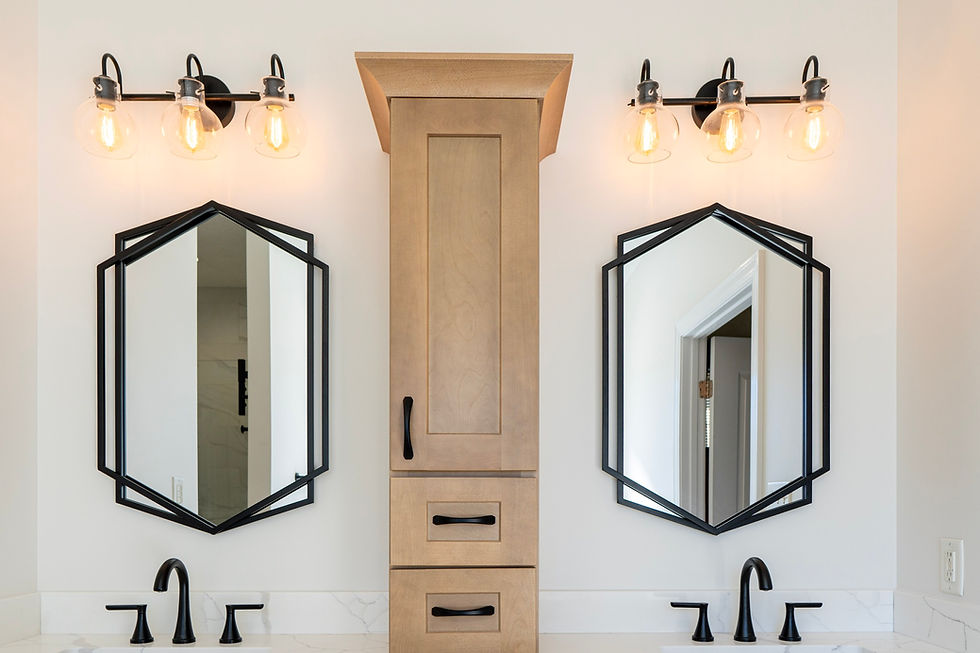
Any established renovation company should be able to show you a portfolio of completed projects — and ideally, a showroom or design center where you can see finishes, materials, and craftsmanship up close.
Photos are useful, but visiting a physical showroom is even better. It tells you something about the company's investment in their craft. It also gives you a chance to touch the materials, see the quality of cabinetry, and understand what's actually possible within your budget.
When reviewing past work, look for projects similar to yours in scope and style. If you're remodeling a kitchen, find examples of their kitchen work. If you want custom cabinetry, see how they've handled that before. Don't settle for generic before-and-after photos.
References matter too. Ask for two or three past clients you can contact directly. A confident contractor will have no hesitation connecting you with people who've already gone through the process.
Understand Their Process Before You Commit
The consultation and estimate phase tell you a lot about how a contractor operates. Pay attention to how organized and thorough they are before the project starts — that's usually a preview of how they'll be during it.
A professional contractor will:
Conduct a thorough evaluation of your space before providing any estimate
Walk you through a clear scope of work
Provide a written contract that details timelines, payment schedules, materials, and responsibilities
Explain what happens if the scope changes mid-project
Be cautious of contractors who push you toward a quick verbal agreement, ask for large cash deposits upfront, or can't clearly explain what's included and what isn't.
The payment structure is especially important. Most reputable contractors collect a reasonable deposit at signing and then tie subsequent payments to project milestones. A request for 50% or more upfront before work begins is a red flag.
Communication Is Everything
Renovation projects almost always involve unexpected discoveries — a wall that hides old plumbing, a subfloor that needs replacing before new flooring can go in, a layout change that makes more sense once you're in it. What separates a great contractor from a frustrating one isn't whether problems come up. It's how they communicate when they do.
During your initial conversations, notice how quickly they respond to calls and emails. Notice whether they explain things clearly or talk over your head. Notice whether they listen to what you want or steamroll toward their preferred solution.
A contractor who communicates well before the project starts will communicate well when it matters most.

What to Watch Out For
Some warning signs are worth naming directly:
No physical address or showroom — legitimate renovation companies have a real presence you can visit
No written contract — never start work without one
Pressure to sign immediately — quality contractors have enough work that they don't need to rush you
Unlicensed or uninsured — already covered, but worth repeating
Cash-only payment requests — a professional business accepts standard payment methods and provides receipts
No reviews, no references, no portfolio — new companies can be good, but if there's no evidence of past work at all, proceed carefully
The Bottom Line
Choosing a contractor is one of the most important decisions you'll make in your renovation journey. Price matters — but it's one factor among many. The contractor you hire will be in your home for weeks, making decisions that affect your space for years.
Take your time. Ask hard questions. Verify credentials. And trust your gut — if something feels off in the conversation before the project starts, it's unlikely to get better once the work begins.
At TruBlue Renovations, we welcome the scrutiny. We're BBB A+ accredited, fully licensed and insured, and have completed more than 1,000 projects across the Fayetteville area and beyond. Our design showroom on Cumberland Road is open for you to visit, see our work up close, and meet our team before you ever make a commitment.
If you're ready to start the conversation, schedule your free evaluation — no pressure, no obligation. Just an honest look at your space and what's possible.


Comments